
Have you finally found your swoon-worthy used furniture from Second hand furniture store without spending a fortune? Then you must be wondering about how to sanitize your used furniture before bringing it indoors. This is definitely the first thing that you should be concerned about as it might not be ideal for you to directly bring in the pre-loved furniture you just bought into your home. Used furniture is sometimes prone to specific odour, or may infest your home with pests. If you’re hesitant about how to clean used furniture, Tips to clean used furniture would help you out in this regard.
Everyone loves a good pre-loved find that we’ve been wanting for a long time, but buying used furniture is not only light on the pocket and environmentally sustainable but it comes with a commitment to repair, clean and sanitize it so that it’s safe for your home and loved ones. If you’ve scored a hardy sofa set or an aesthetic coffee table by following our Tips to buy used furniture, then this comprehensive guide will help you to give your furniture a new life with our Tips to clean used furniture.
Quick Checklist Before You Start Cleaning:
Before you start cleaning, here is a quick checklist as little preparation goes a long way.
- Check for any loose joints, cracks or missing parts that might require fixing before you start cleaning.
- Identify the material beforehand to prepare cleaning solutions that work best for them.
- Spot test any cleaner on the furniture item to avoid discoloration.
- Take out all your supplies including cloth, brushes, sponge, dish soap, vinegar, baking soda, gloves and mask.
- Work in a well-ventilated area as dust and odors can create hassle during cleaning.
Tip #1: Vacuum Thoroughly First:
Start your deep cleaning by vacuuming the surface thoroughly. As a good vacuum can collect all the dust and debris from your used furniture purchase that settles into corner, upholstery fabrics. Use a soft brush attachment when working with wood items, leather or fabrics.
It’s essential to vacuum between the cushions, in the corners, under the seat covers and inside the shelves or drawers. Flip and tilt the furniture item to vacuum the underside as they are hidden cobwebs and dust buildup as well.
Tip #2: Disinfect Hard Surfaces:
Disinfecting hard surfaces is very important before bringing them home or if you don’t have any outdoor space then keep the furniture isolated until and unless it’s safe, sanitized and disinfected. Hard surfaces including wood furniture, coffee table or bed frames most likely have a lot of dirt on them and need to be properly cleaned as they might not be visible to the naked eye at first.
To ensure your peace of mind, start by wiping the wood items with dry cloth to remove any dirt and dust or webs. Next, wipe the hard surfaces with a disinfecting spray and if there are any visible stubborn spots then prepare a mixture including diluted vinegar, water and dish soap, scrub them with the help of a sponge or a brush. Make sure to first spot test as many hard surfaces might react to the mixture of disinfecting spray. Finish it off by drying the surface with dry cloth and to top-it-all-of leave it in the sun to dry completely, this will remove the odour and stains as well.
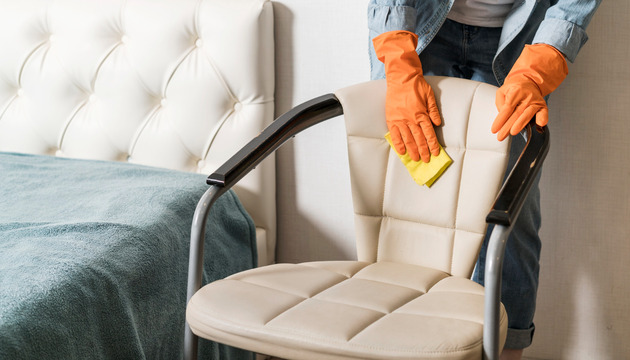
Tip #3: Deep Clean Upholstered Furniture:
Tips to clean used furniture are countless and vary from one person to another but for upholstered furniture, you need to be extra cautious as from the outside, your retro aesthetic sofa set might seem super-clean but they are mostly affected with germs, stains and odours. The catch is to start spraying thoroughly with a disinfecting spray to kill any germs that might be sitting on top of the fabric. Next step is to deep clean.
Take out all your clean supplies and start your deep cleaning with mixing a cup of baking soda and sprinkle it all over the upholstered furniture. Leave it to rest for a good three to four hours then vacuum it. If you see any spot on your furniture then use vinegar, dish soap and water mixture then scrub it gently with a fibre cloth, lastly let it dry completely under the sun or place it in a space where there is room for ventilation.
Tip #4: Remove Mold or Mildew Safely
Mold or mildew should be dealt with carefully. Models often come as a fuzzy patch in green, black or gray color and have a musty odor. Moreover, mildew, which is a type of mold, appears light gray or white. First step is to wear gloves and a mask, keep pets and children at a distance and work in a ventilated space, preferably outdoors.
Start vacuuming your furniture where mold is visible to gently remove it and then for wood or upholstery furniture, mix equal parts of white vinegar and water then with the help of the cloth, wipe the surface down to clean second-hand furniture safely and let is dry completely under the sun to remove odour as well.
Tip #5: Get Rid of Odors:
Honestly, no one wants unpleasant odor lingering in their homes. If you’re also looking for ways to remove odors from old furniture then some dIY or store bought solutions might help you sort it. If you’ve purchased from a reputable Used furniture store Abu Dhabi, then you don’t have to worry about odor as they are already cleaned properly. To remove odors from your wooden furniture or upholstery, start by dusting the furniture item and then sprinkle baking soda generously. Remove any cushion, throws or fabric and let baking soda sit for a few hours.
After that, with the use of a brush, scrub the powder into the fabric or hard surface that will help to soak any moisture and odor. Lastly, vacuum your furniture and you’re most likely all done. For hard surfaces, you can also mix baking soda, vinegar and water as vinegar also works well as a disinfectant.
Tip #6: Polish and Condition Wood:
Used furniture is used by many people sometimes that affect their physical appearance and some might come with unwanted wear and tear. With just a few steps, you can actually bring your furniture back to life and help it shine like new again. To polish and condition wood, dry your furniture completely and then swipe the surface with a mixture of dish soap and warm water.
Choose polish for your items including oil-bases polished or paste wax, start by applying it in small amounts and let it sit for 15-20 minutes before wiping down the excess. With a clean and dry cloth, buff the surface and your furniture is all set.
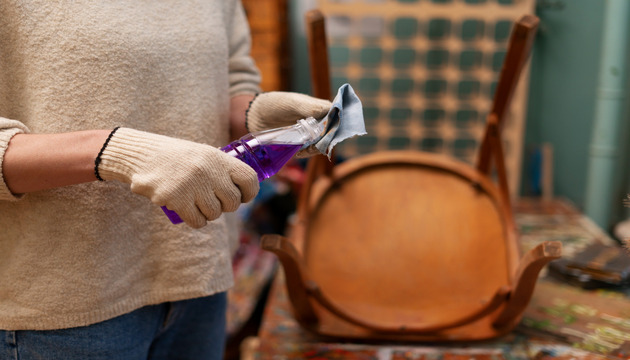
Tip #7: Clean Leather the Right Way:
Leather sofa sets or chairs look classic and premium – only when they are well-maintained. Deep cleaning leather furniture makes a huge difference. Start by dusting the whole area with a microfiber cloth or use a vacuum to clean it all the way through.
Mix baking dish soap or warm water and dampen a cloth, wipe the leather in small sections to not leave anything behind.If the stains are stubborn, use a brush to scrub the stains away and then wipe them down with a clean and dry cloth. Don’t keep the leather item into direct sun, but place it in a well-ventilated space or bright-indirect sunlight, to completely dry it.
Tip #8: Don’t Forget Handles, Legs, and Undersides:
Most of the time, handles, legs and undersides are forgotten during cleaning sprees, but they are also due to cleaning as much as the other visible surfaces. Handles collect a lot of dirt from hands over the years, while legs and undersides collect dust from the floor. Use the same mixture on the handles and knobs, wipe them down with home-made cleaner and dry them completely.
For legs and undersides, flip the furniture item and start scrubbing the surface with soapy water as it’s most likely to do the trick. Dust the undersides as they hide dust and cobwebs as well. Attention to detail never hurts anyone but leaving it as it is – is never a safe option.
Tip #9: Use Steam for a Deep Refresh:
Steaming your upholstery furniture works as a magic. You can rent a steam cleaner to clean it deep down as the heat from the steam helps remove stain much more quickly, kills germs and bacteria while bringing your upholstery furniture back to life. Work in small sections and after you’re done, let the furniture dry completely before you organize it into your space.
Tip #10: Let It Dry Completely:
Cleaning your used furniture item is not completed unless and until you’ve completely dried it. When it comes to wood, upholstery fabric or any other item, it’s very important to let them dry completely before using them as wet space attracts unwanted dust and is prone to odor as well. For wood items, dry the surface with the help of a clean and dry cloth and place them under the sun to let them dry completely.
Upholstery fabrics can be wiped down with a dry cloth and placed under direct sun or ventilated space so everything is sparkly clean and dry. When it comes to leather, avoid placing it under the direct sun and a well-ventilated space might do just fine.
Final Touches:
Once you’re done with cleaning, sanitizing used furniture, final touches make your furniture alive again and are ready to be used.
- Replace Missing Hardware: Check your furniture item if they are missing any knob, handles or screws. Attach them for a quick fix, if there are any parts that need to be sewn then quickly fix that, it can make the overall appearance more put together.
- Check for Loose Joints: Fixing furniture with wobbly legs and loose arms makes your used furniture more sturdy and well-kept.
- Fix Minor Wear: You can easily fix any minor wear and tear with polish, repair markers to fill scratches quickly.
FAQs Section
Q1: How do I disinfect second-hand furniture safely?
A: Use mild disinfectants like diluted vinegar or rubbing alcohol. Always spot test first and avoid soaking porous materials like wood or fabric.
Q2: What is the best way to clean a used sofa?
A: Vacuum it thoroughly, use baking soda for odor, and clean fabric with a gentle solution of warm water and detergent. Let it dry completely.
Q3: Can I use bleach to clean old furniture?
A: Avoid bleach on most surfaces, especially wood and fabric, as it can discolor or damage them. Stick to gentler cleaners.
Q4: How do I know if used furniture has bed bugs?
A: Check seams, cracks, and crevices for tiny black spots, shed skins, or live bugs. If in doubt, use steam or professional pest treatment before bringing it indoors.